Itchy Scalp: Causes and Natural Solutions
An itchy scalp is a common and often uncomfortable issue. Persistent itching, irritation, dandruff, or crusts on the scalp can have many causes and affect oily hair, dry, or sensitive hair types alike.
In this article, we explore the main causes of scalp itching and offer natural solutions to restore comfort and relief — without sulfates or harsh chemicals.
Why Does Your Scalp Itch? The Main Causes
Scalp itching can result from many different factors. Identifying the cause is the first step to choosing the right treatment.
Seborrheic Dermatitis
Seborrheic dermatitis is one of the most common causes of scalp itching. This chronic condition is linked to the overgrowth of a yeast naturally present on the skin, Malassezia, which thrives in sebum-rich areas. It causes greasy or dry flakes, redness, and sometimes intense discomfort. Stress, fatigue, and hormonal changes can worsen symptoms.
Dandruff: Dry and Oily Types
Dandruff consists of fragments of dead skin that detach from the scalp. Dry dandruff appears as fine, white flakes that fall onto the shoulders, while oily dandruff is thicker, yellowish, and sticks to the scalp. Oily dandruff is often associated with excess sebum and fungal overgrowth, whereas dry dandruff results from skin dehydration.
Scalp Psoriasis
Scalp psoriasis causes thick red patches covered with silvery-white scales. Unlike regular dandruff, psoriasis is a chronic inflammatory disease caused by an accelerated skin cell renewal cycle. Itching can be very intense, and scalp crusts can be thick and difficult to remove.
Scalp Eczema
Scalp eczema (atopic dermatitis) causes significant skin dryness accompanied by itching and redness. The skin barrier is weakened, making the scalp more vulnerable to external aggressors. This condition is often genetic and can be worsened by stress or unsuitable hair care products.
Dry or Irritated Scalp
A dry scalp lacks protective lipids and hydration, leading to tightness, itching, and sometimes visible flaking. Common causes include harsh shampoos containing sulfates, overwashing, hard water, excessive heat styling, and unfavourable weather conditions.
Excess Sebum and Oily Hair
An oily scalp produces excess sebum that promotes the growth of micro-organisms and can cause itching. Oily roots become heavy, hair lacks volume, and the scalp remains uncomfortable. This imbalance is often worsened by stripping shampoos containing sulfates or silicones that disrupt the scalp's natural cycle.
Natural Solutions to Soothe an Itchy Scalp
Effective natural solutions exist to relieve scalp itching and treat the root causes without damaging the skin.
Choose a Natural Sulfate-Free Shampoo
Your choice of shampoo makes all the difference. A natural sulfate-free shampoo, free from silicones and parabens, respects the scalp's natural balance while cleansing gently. Certified organic formulas (COSMOS ORGANIC, ECOCERT, COSMEBIO) guarantee the absence of irritating substances such as PEGs, phthalates, synthetic fragrances, or phenoxyethanol.
Key ingredients to look for: tea tree (melaleuca) essential oil for its antifungal and purifying properties, soothing lavender, sebum-regulating nettle, and hydrating, repairing aloe vera.
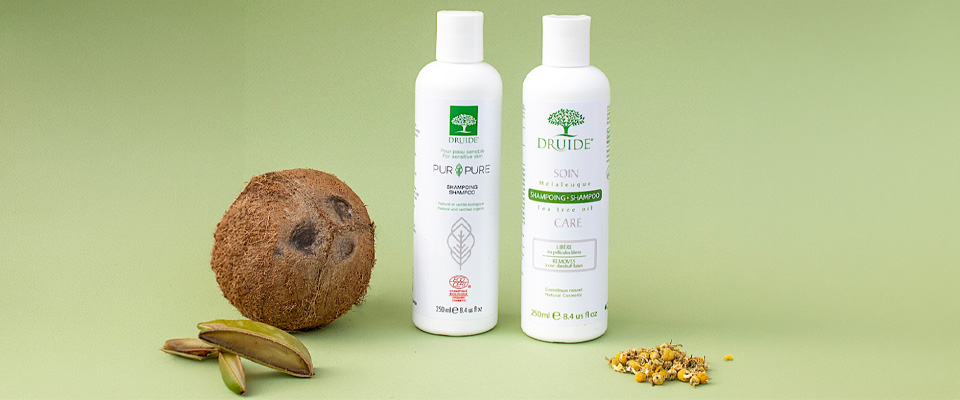
The 4-Week Protocol: Druide Organic Shampoo Duo
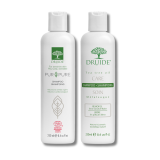
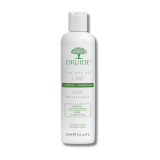
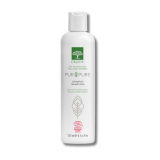
For scalps prone to itching, dandruff, or seborrheic dermatitis, Laboratoires Druide developed an organic shampoo duo combining a purifying treatment (Tea Tree / Melaleuca) with a balancing treatment (Pur&Pure). This two-step programme cleanses the scalp and then restores the cutaneous microbiome balance.
The programme:
- Weeks 1 to 3: use the purifying Tea Tree shampoo 2–3 times per week (more if itching persists). Its antifungal tea tree and lavender extracts neutralise the yeasts responsible for dandruff and soothe scalp irritation.
- From week 4: alternate with the soothing Pur&Pure shampoo, every other wash, then gradually space out. Its ultra-gentle aloe vera and calendula formula restores hydration and calms the irritated scalp.
- Maintenance: continue using Tea Tree shampoo once a week or every two weeks to prevent recurrence, while maintaining Pur&Pure as your regular shampoo.
Improvements in itching, redness, and dandruff are generally noticeable within the first few weeks of use. This protocol targets the root problem without disrupting the scalp's natural functions.
Important: if you use a conditioner, opt for the Pur&Pure conditioner. The Goat Milk conditioner is not recommended in cases of dandruff, itching, or seborrheic dermatitis.
.
Discover the Druide Organic Shampoo Duo
Tips and Home Remedies
In addition to your hair care routine, several simple habits can help soothe an itchy scalp:
- Apple cider vinegar rinse: after your second shampoo, rinse with half a litre of lukewarm water mixed with 2 teaspoons of apple cider vinegar. This helps rebalance the scalp's pH and reduce itching.
- Clean your accessories: regularly clean combs, brushes, hair clips, scrunchies, towels, and pillowcases. Yeasts and bacteria accumulate on them and can perpetuate the problem.
- Avoid excessive heat: limit the use of high-heat blow dryers and straighteners. If needed, use a heat protectant.
- Space out washes: washing too frequently with unsuitable products irritates the scalp and stimulates sebum production.
- Manage stress: stress is an aggravating factor for seborrheic dermatitis and psoriasis. Stress management helps reduce flare-ups.
When to See a Dermatologist
If itching persists despite an adapted routine, if scalp crusts thicken, or if red patches spread, it is advisable to consult a dermatologist. A medical diagnosis will help differentiate a simple sebum imbalance from scalp psoriasis or eczema requiring specific treatment.
FAQ – Itchy Scalp
Why does my scalp itch without visible dandruff?
Scalp itching without visible dandruff can be caused by a dry scalp, sensitivity to ingredients in your hair products (sulfates, synthetic fragrances), stress, or irritation from hard water.
What is the difference between seborrheic dermatitis and regular dandruff?
Regular dandruff is a mild flaking symptom, whereas seborrheic dermatitis is a chronic condition linked to a yeast (Malassezia) that causes oily flakes, redness, and more intense, recurring itching.
How long before seeing results with a natural shampoo?
Noticeable improvement typically occurs after 3–4 weeks of regular use. This timeframe corresponds to the scalp's cell renewal cycle.
Does an organic shampoo lather less?
Yes, a sulfate-free shampoo naturally produces less lather, especially during the first wash. More lather appears during the second application. Less foam does not mean less effectiveness: gentle cleansing agents clean without stripping.
Can the Tea Tree shampoo be used on children?
The Tea Tree shampoo is suitable for children over 12. For children aged 6–12, it should be diluted with water or mixed with Pur&Pure shampoo. It is not recommended for pregnant women due to essential oils.
Is it normal for itching to intensify at the start of treatment?
When switching to a natural shampoo, the scalp may go through a short adjustment period. If itching persists beyond two weeks or worsens, consult a dermatologist.
Conclusion
An itchy scalp is not inevitable. By identifying the cause (seborrheic dermatitis, dandruff, psoriasis, eczema, excess sebum, or dryness) and adopting an appropriate natural hair care routine, it is possible to restore a healthy, soothed scalp within a few weeks.
The Druide organic shampoo duo (Tea Tree + Pur&Pure) offers a complete solution: the purifying shampoo eliminates the yeasts responsible for dandruff and itching, while the balancing shampoo restores the cutaneous microbiome and prevents recurrence.
Discover the Druide Organic Shampoo Duo
Related articles: