Fine and fragile hair: the everyday habits that actually make a difference
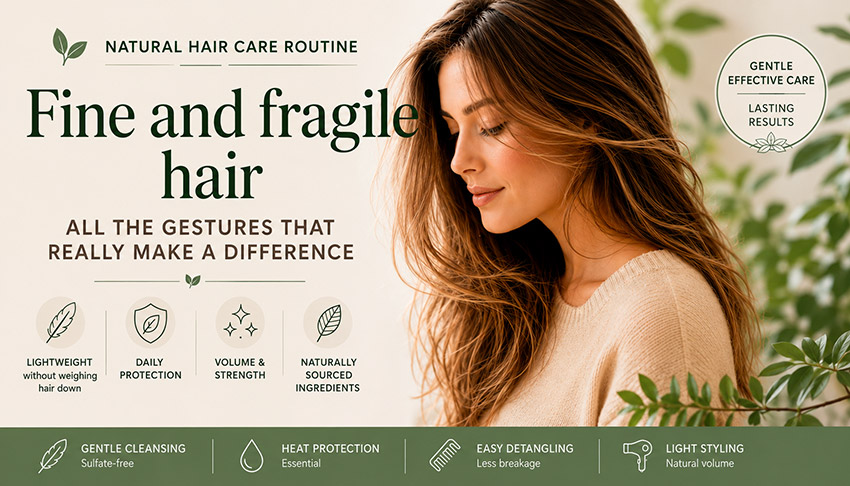
When you have fine and fragile hair, you know the frustration: the hairstyle that falls flat by mid-morning, the lengths that get greasy by the end of the day, the "nourishing" treatments that end up flattening everything against your scalp. You try one product after another, you collect half-empty bottles, and your hair always looks just as dull and lifeless. Yet, by rethinking your daily habits and adopting a fine and fragile hair routine that is genuinely suited to your hair, it is possible to regain volume, suppleness and hold without weighing the fiber down. Here are the habits that actually change things, step by step.
Fine hair, fragile hair: telling them apart
Before building the right routine, you need to identify the nature of your hair correctly. The words "fine" and "fragile" are often used interchangeably even though they describe two different realities, which can also occur together in the same person.
What defines fine hair
The fineness of a hair refers to its diameter, that is, the thickness of each individual fiber. A fine hair is lighter than a thick one, holds styling less well and often gives the impression of a thin head of hair, even when it is actually dense. Fineness is a genetic trait: you are born with this texture, it does not change radically over a lifetime, although certain periods (postpartum, menopause, prolonged stress) can temporarily make the fiber finer.
What defines fragile hair
Fragility, on the other hand, is not about diameter but about behaviour: a fragile hair breaks easily, splits, loses its elasticity, becomes dull and rough to the touch. Unlike fineness, fragility is not innate. It develops because of cumulative factors: repeated colouring, heat from styling tools, harsh treatments, vigorous brushing, stress, an unbalanced diet. Thick hair can perfectly well become fragile over the years.
When fineness and fragility combine
Many people who naturally have fine hair gradually see their hair become fragile too, because fineness makes the fiber more vulnerable to everyday aggressions. A naturally light fiber stands up less well to colouring, heat styling or overly rich treatments that end up smothering it. Identifying this double diagnosis is the first step to adopting the right reflexes: it is not only about protecting fineness, it is also about avoiding making the fragility worse.
Why your current routine may be weighing your hair down
If, despite all your efforts, your hair looks even less full and greasier than before, the problem probably does not come from a lack of care. It more likely comes from the type of care being used. Several very common pitfalls in conventional hair routines weigh fine hair down on a lasting basis.
The silicone trap. Present in a large share of conventional hair products, silicones give an instant smoothed effect that feels nourishing. In reality, they deposit a plastic-like film on the surface that does not penetrate the fiber, builds up wash after wash and ends up mechanically weighing the hair down. On fine hair, this overload becomes noticeable within just a few weeks.
The trap of heavy oils. Not all oils are equal for fine hair. Thick plant butters (raw shea, solid coconut) and certain heavy oils flatten the lengths instead of nourishing them. It is better to favour so-called "dry" oils, lighter ones, that penetrate the fiber quickly without leaving a greasy film.
The trap of "ultra-nourishing" treatments. Rich masks marketed for dry hair are often unsuitable for fine hair. Their thick texture, designed to repair very damaged fibers, saturates light lengths and produces the opposite of the desired effect. On fine hair, a light treatment applied regularly works better than a concentrated mask once a week.
The trap of overly generous doses. Fine hair requires far smaller quantities of product than thick hair. A hazelnut-sized amount of treatment, one to two sprays, a tip of gel are more than enough. The reflex "the more I use, the better it works" actually works in reverse on this type of hair. If your hair is also damaged by regular flat iron use, these dosing mistakes make the situation worse instead of correcting it.
A five-step routine suited to fine hair
Building an effective fine and fragile hair routine comes down to five simple steps that focus on light formulas, gentle handling and consistency rather than rich products.
Step 1 — A gentle, regular wash
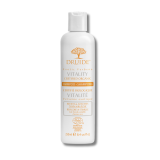
The choice of shampoo is decisive. Fine hair requires a gentle cleanser, free from harsh sulphates and silicones, able to remove sebum and residues without drying out the fiber. A well-formulated organic shampoo for fine hair also brings strengthening actives that help visually densify the hair over time. The Druide Vitalité Shampoo, formulated specifically for fine hair and sensitive scalps, combines a gentle cleansing base with rosemary and sage extracts that tone the fiber.
On the gesture side: apply shampoo only to the scalp, massage gently with your fingertips, let the foam run down the lengths during the rinse. There is no need to wash twice if the hair is not particularly loaded.
Step 2 — Detangling with full gentleness
Detangling is the step where fine hair breaks the most. Wet hair is three times more fragile than dry hair, and light lengths tangle quickly. The golden rule: never detangle with a brush on soaking hair. A wide-tooth comb, or a light detangler that helps glide through without weighing things down, is preferable.
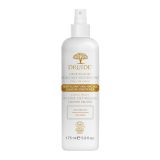
A light leave-in detangling spray, based on aloe vera and plant extracts, sprayed onto wrung-out lengths, is enough to ease the tangles without flattening the hair. Detangle from the ends towards the roots, strand by strand, to limit breakage.
Step 3 — Heat protection that doesn't weigh hair down
If a hairdryer or flat iron is part of the routine, heat protection is non-negotiable, and this is precisely where fine hair needs a product designed for it. Most heat protectants on the market contain silicones and alcohol, two ingredients that flatten fine lengths or dry them out in the long run.
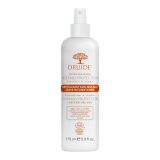
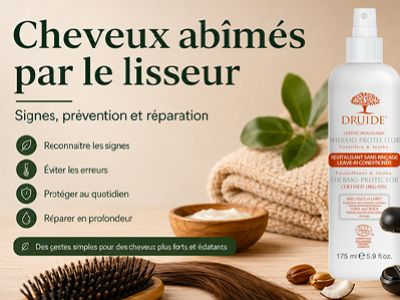
For a flat iron on fine and fragile hair, it is best to choose an alcohol-free, silicone-free formula based on light plant oils and antioxidants. The Druide Thermo-Protector Spray, formulated with jojoba oil, fractionated coconut oil and plant extracts, creates a protective veil up to 200°C without overloading the fiber. To go further on the ingredients to prioritise, the article heat protection: keeping your hair safe from heat details the most effective natural film-forming actives.
On application: one to two sprays over all the lengths, on dry or very slightly damp hair before the plates pass through. No more than that, or the hair will go flat.
Step 4 — Styling that adds volume
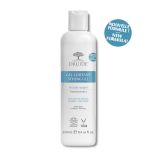
For a natural fine hair care approach at styling time, two principles: prefer light textures, and work the volume at the roots rather than on the surface. An organic styling gel, free from alcohol and polymers, holds strands without freezing them or weighing them down. The Druide alcohol-free, PEG-free, polymer-free styling gel allows a modulable hold depending on the amount used, without leaving white residue or a cardboard feel.
A few simple gestures maximise the volumising effect: brush upside down at the end of drying to lift the roots, lift the top strands with your fingers rather than a comb, avoid sharply defined partings that flatten the hair.
Step 5 — Daily care that preserves fineness
Beyond products, it is the gestures repeated every single day that make the real difference. Roughly towelling your hair, sleeping on a cotton pillowcase, tying it up too tightly, brushing with an aggressive brush: these are all micro-aggressions that add up and weaken the fiber on a lasting basis. Conversely, a few simple reflexes preserve the quality of fine hair over time, and they cost nothing to put in place.
Adjust your shampoo to your scalp
Not all fine hair is the same. The nature of the scalp, which can range from dry to very oily across two people with equally fine hair, changes the choice of shampoo. Fine hair that gets greasy quickly is a particularly common situation: a scalp that produces a lot of sebum quickly loads light lengths that struggle to keep it away from the roots.
In this case, a frequent-use shampoo, designed for close-spaced washes without aggressing the scalp, gives better results than an overly nourishing "fortifying" shampoo. The Druide Frequent Daily Shampoo, formulated for scalps with an oily tendency, helps push back the moment when the hair starts to look dull during the day.
Conversely, for sensitive scalps prone to itching or redness, an ultra-gentle shampoo based on soothing actives such as the Druide Honey Shampoo for fragile hair respects the hydrolipidic film while still cleansing gently.
Understanding why fine hair is so vulnerable to heat
Fine hair is structurally more sensitive to heat than thick hair. Its reduced diameter means the fiber contains less keratin and less water to absorb thermal shock. At an equal temperature, fine hair dehydrates faster and loses its elasticity more rapidly than thick hair. This is why a thermal protection spray for fine hair must be both effective and light: it must protect without forming an occlusive layer that would flatten the hair.
The right reflex: set your flat iron or curling iron to the minimum effective temperature, which is 150 to 170°C for most fine hair, rather than always pushing to 200°C out of habit. To dig deeper into how to choose good heat protection, the article on heat protectants provides detailed selection criteria according to the hair type.
Druide hair care for fine and fragile hair
To put in place a coherent and effective fine and fragile hair routine, Laboratoires Druide offers several organic hair care products formulated without silicones, without harsh sulphates and without drying alcohol, whose light textures respect the specificity of fine hair.
- The Vitalité Shampoo, specifically designed for fine hair and sensitive scalps, combines rosemary, sage and burdock to cleanse gently while bringing tone to the fiber.
- The Instant Detangling Leave-in Conditioner, based on aloe vera, cotton flower and mango, hydrates and eases detangling without forming a film that would weigh the lengths down.
- The alcohol-free and silicone-free thermo-protector, formulated with light plant oils and antioxidants, protects the fiber from heated tools up to 200°C while preserving volume.
- The Alcohol-free Styling Gel, without PEG or polymers, holds strands gently without freezing the hair or leaving visible residue.
A few good daily habits
Beyond products, certain simple gestures preserve the quality of fine hair on a lasting basis and keep it in good health over time:
- Pat hair dry with a microfibre towel: vigorously rubbing with a thick towel lifts the cuticle scales and breaks fine ends. Patting gently or wrapping hair in an absorbent towel limits breakage considerably.
- Brush upside down to lift the roots: this classic gesture remains one of the most effective for giving volume without product. Bend forward during drying and brush the hair from roots to ends to aerate the style.
- Choose a brush with natural bristles or soft pins: aggressive brushes tear fine hair instead of detangling it. Always start with the ends and work up gradually towards the roots, strand by strand.
- Space out flat iron sessions and limit the temperature: 150 to 170°C is enough for fine hair. Pushing beyond accelerates dehydration and weakens the fiber with no real aesthetic benefit.
- Sleep on a silk or satin pillowcase: these smooth materials reduce nightly friction, limit breakage and preserve the morning styling. It is a simple investment that transforms the look of the hair on waking.
- Support hair quality from within: a diet rich in proteins, essential fatty acids and B vitamins nourishes the fiber at the root, where it is formed. No external care replaces this foundation.
Regaining volume and tone over the long term
Fine and fragile hair will never become thick and resistant: the nature of the fiber is largely genetic. However, by adopting the right gestures at the right moment, the look, the hold and the suppleness of the hair can be lastingly transformed. A few weeks of a well-calibrated fine and fragile hair routine are enough to see a real difference: more natural volume, restored shine, lengths that break less, a hairstyle that holds better through the day. Consistency matters more than the amount of product, lightness more than richness. It is by accumulating these everyday habits, day after day, that fine hair finally reveals its full potential.
FAQ: fine and fragile hair routine
How can I tell if I really have fine hair?
A simple test consists in taking a hair between two fingers and rolling it: a fine hair is barely felt, a thick hair gives clear resistance. Another indicator: the hold of a ponytail. If the elastic wraps several times around even a dense head of hair, it is a sign that each fiber is fine. Fineness also shows in daily life: a hairstyle that falls quickly, the feeling of hair slipping between the fingers, an impression of a thin head of hair despite a good number of strands.
Why does my fine hair get greasy so quickly?
Fine hair often appears to get greasy faster than other types for one simple reason: its low diameter does not retain sebum far from the scalp for long. The lipid film migrates quickly along the fiber and creates a dull appearance from the day after washing. Rather than washing too vigorously, it is better to choose a gentle frequent-use shampoo, formulated for close-spaced washes without aggressing the scalp or stimulating sebum production. The Frequent Daily Shampoo is designed for this kind of need.
Can you use a flat iron when you have fine hair?
Yes, provided you adapt the temperature and systematically protect the fiber. Fine hair straightens around 150 to 170°C, not beyond. The prior application of a spray suited to fine hair, free from alcohol and silicones, is essential to limit dehydration and breakage. One to two sprays over all the lengths are enough: too generous a dosage would flatten the hair instead of protecting it.
Which ingredients should be avoided when you have fine hair?
Three families of ingredients should be limited on fine hair. Silicones (dimethicone, cyclopentasiloxane and their derivatives) which accumulate and weigh the hair down. Denatured alcohol (alcohol denat), very common in styling sprays, which dries out fine fiber faster than others. Heavy plant butters (raw shea, solid coconut butter) and thick oils which saturate light lengths. Choosing short formulas, free from these ingredients, quickly transforms the appearance of fine hair.
How often should fine hair be washed?
The frequency depends above all on the scalp, not on the fineness of the hair. A scalp with an oily tendency may need a wash every two days with a gentle frequent-use shampoo, whereas a normal scalp does very well with two to three washes a week. The idea is not to wash less on principle, but to use each time a suitable shampoo that respects the hydrolipidic film and does not force the scalp to compensate by producing more sebum.
How to give volume to fine hair without overloading it?
The volume of fine hair is worked at the roots, not on the surface. A few simple gestures are very effective: brush upside down during drying, lift the top strands by hand rather than with a comb, avoid sharply defined partings, apply a hazelnut-sized amount of light styling gel only to the roots. On the cut side, asking your hairdresser for a layering that aerates the lengths without thinning the ends also brings a lot of visual volume.
Can fine hair become thicker with the right care?
The diameter of the hair is largely genetically determined and does not change radically in adulthood. However, suitable care can visually densify the hair by coating the fiber, limiting breakage and supporting a healthy scalp. Over several months, the hair appears more voluminous, more shiny and more toned, even though each strand remains structurally fine. Consistency and patience are the real levers of improvement.